A Deep Dive into the Plastic Injection Molding Process
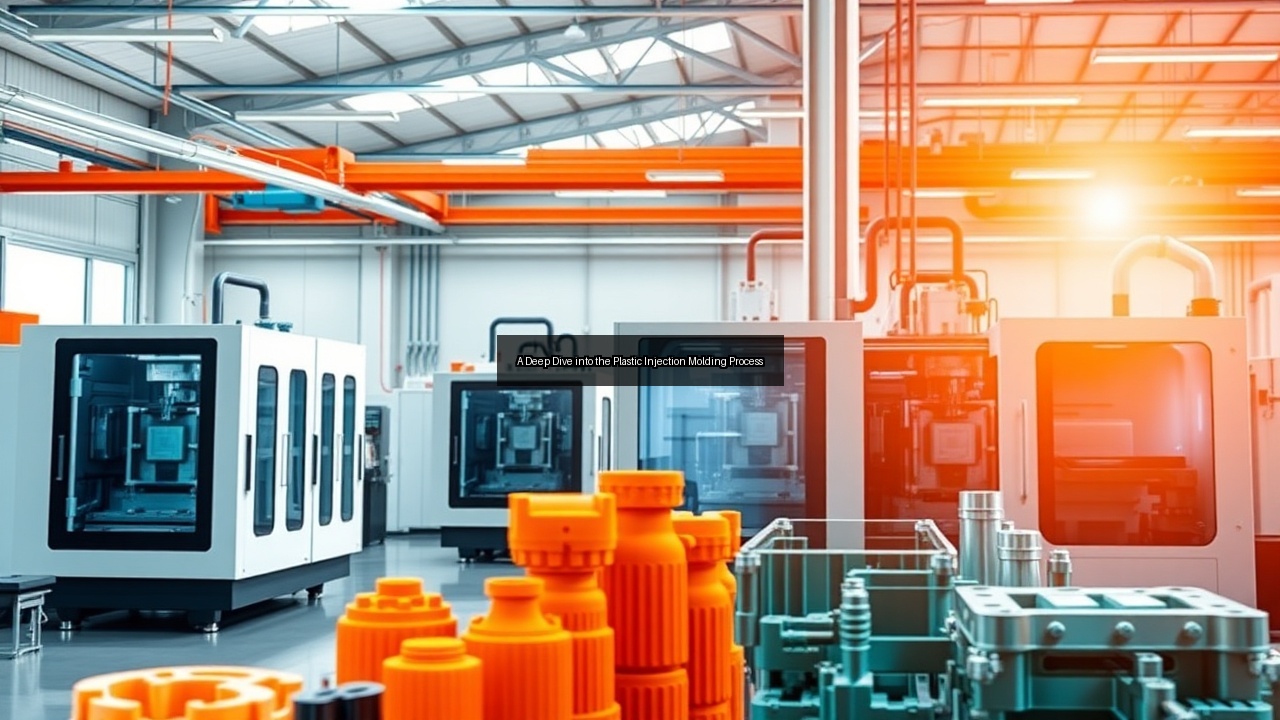
Understanding the Plastic Injection Molding Process
What is Plastic Injection Molding?
Plastic injection molding is a widely used manufacturing process that transforms raw plastic materials into finished parts and products. This method involves injecting molten plastic into a mold, allowing it to cool and solidify into the desired shape. The versatility of plastic injection molding makes it an ideal choice for producing both simple and complex geometries, ensuring high precision and repeatability. This process serves industries ranging from automotive to consumer goods, emphasizing efficiency and cost-effectiveness. Understanding the intricacies of injection molding enables manufacturers to leverage its full potential, enhancing product design and performance.
Key Components of Injection Molding
The plastic injection molding process relies on several key components that work in unison to produce high-quality molded products. The primary elements include the injection unit, the clamping unit, and the mold itself. The injection unit melts the plastic pellets and injects the molten material into the mold cavity. The clamping unit holds the mold closed during the injection process and provides the necessary pressure to ensure that the material fills the cavity completely. The mold, typically made from steel or aluminum, is meticulously designed to create the specific shape of the final product. These components collectively contribute to the efficiency and effectiveness of the injection molding process, making it essential for manufacturers to select high-quality equipment to achieve optimal results.
The Role of Thermoplastics in Injection Molding
Thermoplastics play a crucial role in the plastic injection molding process due to their unique properties. Unlike thermosetting plastics, thermoplastics can be melted and remolded multiple times without significant degradation. This characteristic allows manufacturers to recycle and reuse materials, making the process more sustainable. Common thermoplastics used in injection molding include polyethylene, polypropylene, and polystyrene, each offering distinct advantages such as flexibility, impact resistance, and chemical stability. The selection of the appropriate thermoplastic material directly influences the performance and durability of the injection-molded product, making it vital for manufacturers to carefully assess material properties during the design phase.
The Step-by-Step Injection Molding Process
Designing the Injection Mold
The first step in the injection molding process involves designing the injection mold. This phase requires collaboration between engineers and designers to ensure the mold meets specific functional and aesthetic requirements. The design must account for factors such as part geometry, material flow, and cooling channels to optimize production efficiency. Advanced computer-aided design (CAD) software facilitates the creation of precise mold designs, enabling manufacturers to visualize the final product before production begins. Prototyping may also be employed to test the mold's functionality and make necessary adjustments. A well-designed injection mold can significantly reduce manufacturing time and costs while enhancing the quality of the final product.
Preparing the Plastic Material
After finalizing the mold design, the next crucial step is preparing the plastic material for injection. Manufacturers typically start with plastic pellets, which are fed into a hopper connected to the injection unit. The pellets undergo heating in a barrel, where they melt into a viscous liquid. The temperature must be carefully controlled to ensure the plastic reaches the ideal viscosity for injection. Additionally, additives such as colorants or stabilizers may be mixed with the plastic to enhance specific properties of the final product. Proper preparation of the plastic material is essential to ensure consistent quality and performance in the injection molding process.
The Injection Cycle Explained
The injection cycle is the heart of the plastic injection molding process, consisting of several stages: injection, dwell, cooling, and ejection. During the injection phase, the molten plastic is injected into the mold cavity under high pressure. The dwell phase follows, where pressure is maintained to ensure the material fills all areas of the mold before it begins to cool. The cooling phase allows the plastic to solidify, forming the final part. Finally, the ejection phase occurs, where the mold opens, and the newly formed product is ejected from the cavity. Each of these stages is critical to achieving optimal cycle times and ensuring the quality of the molded plastic products.
Cooling and Finishing Processes
Cooling and finishing processes are essential steps that follow the injection cycle. Cooling involves maintaining the mold temperature to promote uniform solidification of the plastic material. Effective cooling not only reduces cycle time but also minimizes defects such as warping or dimensional inaccuracies. After cooling, finishing processes such as trimming, sanding, or surface treatment may be necessary to achieve the desired surface quality and specifications. These finishing touches enhance the overall appearance and functionality of the injection-molded product. Manufacturers often implement advanced techniques like robotic automation to streamline these processes, further improving efficiency and consistency in production.
Advantages and Applications of Plastic Injection Molding
Benefits of Injection-Molded Products
Plastic injection molding offers numerous benefits that make it a preferred method for producing a wide range of products. High production efficiency stands out as a primary advantage, allowing manufacturers to produce thousands of identical parts within a short time frame. Injection molding also ensures accuracy and repeatability, resulting in consistent product quality. The ability to use various thermoplastics allows for customization in terms of strength, flexibility, and color, meeting diverse customer needs. Additionally, the process generates minimal waste, contributing to a more sustainable manufacturing approach. These benefits make injection-molded products valuable across various industries, from consumer electronics to automotive components.
Industries Utilizing Plastic Injection Molding
Plastic injection molding serves a vast array of industries, reflecting its versatility and adaptability. The automotive industry extensively utilizes injection molding for producing components such as dashboards, bumpers, and interior fittings. In the consumer goods sector, manufacturers rely on this process for items like toys, kitchenware, and household appliances. The medical industry benefits from injection molding for creating precise and sterile components, including syringes and surgical instruments. Additionally, the packaging industry employs injection molding for producing containers and closures. This widespread application underscores the significance of injection molding in modern manufacturing, as it meets the diverse demands of various sectors.
Comparing Injection Molding to Other Plastic Fabrication Methods
Comparing plastic injection molding to other plastic fabrication methods reveals distinct advantages. While techniques like extrusion and blow molding have their merits, injection molding stands out for its efficiency, precision, and versatility. Extrusion, suitable for continuous shapes, lacks the complexity of injection molds, which can produce intricate designs. Blow molding is primarily used for hollow objects, whereas injection molding caters to both solid and hollow components. Additionally, injection molding minimizes material waste and offers faster production rates. The ability to create complex geometries with high accuracy makes injection molding a preferred choice for manufacturers aiming for quality and cost-effectiveness in their production processes.
Choosing the Right Plastic Mold Manufacturer
Factors to Consider When Selecting a Manufacturer
Choosing the right plastic mold manufacturer is crucial for ensuring the success of your injection molding projects. Consider factors such as experience, reputation, and specialization in the required type of molds. A manufacturer with a proven track record in your industry can provide valuable insights and expertise. Evaluate their production capabilities, including the types of thermoplastics they work with and their ability to handle complex designs. Communication is vital; a responsive manufacturer who understands your project requirements can lead to smoother collaboration. Additionally, assess their quality control processes to ensure that the final products meet industry standards and specifications, thereby reducing the risk of defects and rework.
Top Features of a Reliable Injection Moulding Manufacturer
Reliable injection molding manufacturers exhibit several key features that set them apart from the competition. First, they leverage advanced technology and equipment, ensuring high precision and efficiency in the injection molding process. Second, they maintain a strong commitment to quality, implementing rigorous testing and quality assurance protocols to guarantee consistent results. A focus on customer service is also paramount; a reputable manufacturer prioritizes clear communication and timely delivery of products. Furthermore, flexibility in production runs, whether for small or large batches, demonstrates their capability to meet varying customer demands. These attributes contribute to a manufacturer’s credibility and reliability in the industry.
Future Trends in Plastic Molding Manufacturing
Future trends in plastic molding manufacturing indicate a shift towards greater sustainability and technological advancement. The increasing emphasis on environmental responsibility drives manufacturers to explore biodegradable plastics and recycling methods to minimize waste. Additionally, automation and the integration of Industry 4.0 technologies, such as IoT and AI, promise to enhance production efficiency and quality control. These innovations enable real-time monitoring and predictive maintenance, reducing downtime and improving overall productivity. Moreover, advancements in material science are expanding the range of thermoplastics available for injection molding, offering new possibilities for product design and functionality. Staying abreast of these trends allows manufacturers to remain competitive in a rapidly evolving market.