A Comprehensive Guide to Thermoset Injection Molding Techniques
Understanding Thermoset Materials
Definition and Characteristics of Thermosets
Thermoset materials form permanent chemical bonds during curing that lock their structure into place. Heat and pressure trigger cross-linking reactions that prevent reshaping once the part cools. This irreversible process gives thermoset plastics superior heat resistance and dimensional stability compared with materials that soften under temperature changes. Engineers select thermoset polymers when components must withstand harsh environments without deformation. Common examples include phenolics and epoxies that deliver strong electrical insulation and chemical resistance. These properties make thermosets essential in applications requiring long-term reliability under elevated temperatures and mechanical stress.
Comparison with Thermoplastics
Thermoplastics such as acrylonitrile butadiene styrene and polypropylene soften when heated and harden when cooled, allowing repeated melting and reshaping. In contrast, thermosets undergo a one-time curing reaction that creates rigid molecular networks. Thermoplastic materials therefore suit high-volume production runs that demand easy recycling, while thermoset plastics excel in parts exposed to continuous heat or aggressive chemicals. Thermoplastic injection molding cycles run faster, yet thermoset injection molding delivers parts with greater creep resistance and flame retardancy. Designers weigh these trade-offs when choosing between the two polymer families for specific performance requirements.
Common Thermoset Materials Used in Injection Molding
Phenolic resins, melamine formaldehyde, and unsaturated polyesters represent the most widely processed thermosets in injection molding thermosets. Each material offers distinct advantages in electrical insulation, surface hardness, and resistance to solvents. Bulk molding compounds and sheet molding compounds allow precise control over fiber reinforcement levels that improve mechanical strength. Processors often blend these thermoset materials with additives to tailor flow characteristics and cure times. The resulting compounds produce injection molded components that maintain integrity in automotive under-hood environments and electrical housings where thermoplastics would fail.
The Injection Molding Process for Thermosets
Overview of the Injection Molding Process
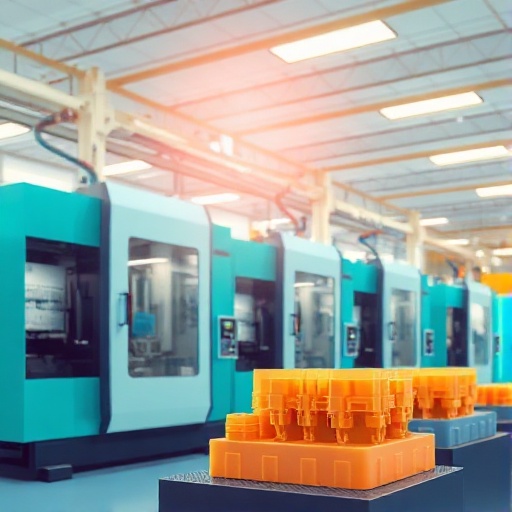
Injection molding thermosets begins with precise metering of molding materials into a heated barrel. The compound plasticizes under controlled temperature and shear before a piston drives the viscous mixture into a closed mold cavity. Heat accelerates the curing reaction inside the mold, forming a rigid part that ejects after sufficient cross-linking. Cycle times depend on part thickness, mold temperature, and resin reactivity. Proper venting and mold design prevent gas traps that cause defects. This sequence yields high-precision injection molded components with consistent mechanical properties across production runs.
Key Equipment and Machinery
Specialized machines for plastic injection molding of thermosets feature wear-resistant barrels and screws designed to handle abrasive fillers. Temperature-controlled platens maintain mold surfaces at curing temperatures while cooling channels protect the injection unit. Hydraulic or electric drives power the piston that generates the high pressures required for complete cavity filling. Integrated sensors monitor melt temperature, injection speed, and cavity pressure to maintain process stability. Modern equipment also includes automated material feeders that deliver consistent bulk or pelletized thermoset compounds to the machine throat.
Piston Mechanisms in Thermoset Injection Molding
The piston in thermoset injection molding delivers a consistent, high-pressure shot that overcomes the high viscosity of partially cured compounds. Unlike screw-based systems common in thermoplastic injection molding, piston mechanisms minimize shear heating that could prematurely advance the cure reaction. Precise stroke control ensures accurate shot volumes even with fiber-filled molding materials. Regular maintenance of seals and check rings prevents leakage and maintains injection repeatability. This technology enables reliable production of thick-walled injection molded parts that require uniform packing before the thermoset network fully sets.
Advantages and Challenges of Thermoset Injection Molding
Benefits of Using Thermosets in Injection Molding
Thermoset injection molding produces components that retain strength and shape at temperatures exceeding the limits of most thermoplastics. Excellent electrical properties and resistance to chemicals make these parts ideal for demanding industrial and consumer applications. The curing reaction allows tight tolerances without secondary machining. High filler loadings improve dimensional stability and reduce material cost while enhancing flame resistance. Manufacturers achieve lower per-part costs at scale because thermoset parts often eliminate assembly steps through integrated features and superior surface finishes straight from the mold.
Limitations and Challenges
Longer cure times compared with thermoplastic injection molding increase cycle durations and machine utilization costs. Once cured, thermoset plastics cannot be reprocessed, which raises scrap rates if defects occur. Mold maintenance becomes critical because cured residue can damage cavities over time. Material handling requires attention to pot life and moisture control to prevent premature reactions. Process windows narrow when using highly reactive compounds, demanding skilled operators and robust process controls to maintain consistent quality across batches.
Recyclability of Thermoset Plastics
Recyclability remains limited for thermoset plastics because the cross-linked structure prevents remelting. Current methods focus on grinding cured parts into filler for new compounds or using chemical depolymerization techniques that recover monomers. Some manufacturers incorporate ground thermoset waste back into bulk molding compounds at controlled percentages. Emerging research explores enzymatic and solvolysis routes that could improve recovery rates. Until scalable solutions mature, designers prioritize part longevity and end-of-life disassembly strategies to mitigate environmental impact from thermoset components.
Applications of Thermoset Injection Molding
Industries Utilizing Thermoset Injection Molded Products
Automotive, electrical, and appliance sectors rely heavily on thermoset injection molded parts for under-hood components, circuit breakers, and heat-resistant housings. Aerospace applications demand the high-temperature performance of phenolic and epoxy compounds in interior fixtures and structural brackets. Medical device manufacturers use thermosets for sterilization-resistant instrument handles and diagnostic equipment enclosures. Each industry values the combination of electrical insulation, chemical resistance, and mechanical stability that thermoset materials deliver in injection molding thermosets.
Popular Products Made from Thermosets
Common injection molded products include distributor caps, brake pistons, electrical connectors, and cookware handles. Thermoset plastics also appear in toilet seats, light switches, and power tool housings where heat and impact resistance matter. Fiber-reinforced grades produce structural brackets and pump impellers that outperform thermoplastic alternatives under continuous load. These parts demonstrate the versatility of thermoset injection molding across consumer, industrial, and transportation markets that require durable, dimensionally stable components.
Case Studies of Thermoset Applications
One automotive supplier replaced multiple metal pieces with a single phenolic injection molded intake manifold, reducing weight and assembly time while improving thermal performance. An electrical manufacturer switched to melamine formaldehyde for circuit breaker housings, achieving better arc resistance and lower production costs than previous thermoplastic designs. A power tool company adopted glass-filled epoxy for motor end bells, extending service life in high-temperature environments. These examples illustrate how targeted use of thermoset materials in injection molding solves specific engineering challenges across sectors.
Quality Standards and Innovations in Thermoset Injection Molding
ISO 13485 and Its Importance in Thermoset Production
ISO 13485 certification establishes rigorous quality management requirements for medical device manufacturers using thermoset injection molding. The standard mandates documented process controls, risk management, and traceability that ensure consistent part performance. Compliance drives investment in validated equipment and inspection protocols that reduce defects in critical components. Medical-grade thermoset materials processed under ISO 13485 guidelines meet stringent biocompatibility and sterilization demands. Certified facilities gain competitive advantage when supplying regulated industries that require proven manufacturing discipline.
Emerging Trends and Technologies
Advanced simulation software now predicts cure kinetics and fiber orientation in thermoset injection molding, shortening development cycles. Electric piston machines improve energy efficiency and shot-to-shot consistency over hydraulic predecessors. In-mold sensors provide real-time data on cavity pressure and temperature, enabling adaptive process adjustments. Bio-based thermoset resins and recyclable cross-linking chemistries represent active research areas that address sustainability concerns. These innovations expand design possibilities while maintaining the core advantages of thermoset plastics in demanding applications.
Future Prospects for Thermoset Materials in Injection Molding
Continued material development will produce thermosets with faster cure profiles and enhanced toughness that compete more directly with high-performance thermoplastics. Integration of additive manufacturing for mold tooling will reduce lead times for complex geometries. Growing emphasis on circular economy principles will accelerate recycling technologies and design-for-disassembly approaches. As industries pursue lighter, more durable components, thermoset injection molding remains positioned to deliver reliable solutions where heat, chemical, and electrical performance requirements exceed thermoplastic capabilities.
See Also
- Exploring the Advantages of Injection Molding for Thermoset Plastics
- The Role of Thermosets in High-Performance Injection Molding Solutions
- Thermoplastic vs Thermoset What You Need to Know for Injection Molding
- Key Considerations for Choosing Thermoset Materials in Plastic Injection Molding
- The Future of Injection Molding Thermosets in Sustainable Manufacturing